Best Snorkelling and Diving Spots in Koh Phangan

Joy Beach Villas
หาดหินกอง เกาะพะงัน
Best Snorkelling in Koh Phangan: Complete Guide
The best snorkelling in Koh Phangan depends less on a single famous beach than on matching the right experience to your comfort in the water. A sheltered bay suits a family with young children, a longtail boat suits confident swimmers who want quieter coves, and a guided dive suits anyone who wants to go deeper. This guide explains the differences, profiles the main sites and covers tides, seasons and safety, so you can plan with realistic expectations.
Shore Snorkelling, Boat Trips, or Scuba Diving: Choosing Your Experience
Koh Phangan offers three broad ways to see the reef. They differ in effort, cost, comfort and how much of the underwater world you reach. Choosing well matters more than choosing the "best" site.
Shore-Based Snorkelling for Casual Explorers and Families
Step-in beach reefs need nothing more than a mask, snorkel and a calm morning. You walk in, float over the shallows and leave whenever you like. This suits families, couples who want a flexible schedule and anyone testing whether they enjoy snorkelling at all.
Comfort requirements are modest, but not zero. You should be happy with your face in the water and breathing through a tube. Non-swimmers and young children can still enjoy the shallows with a well-fitted flotation vest, close adult supervision and a firm rule about staying within standing or near-standing depth. Nervous first-timers often do better practising in a calm bay before committing to a boat trip.
Longtail and Speedboat Snorkel Charters for Remote Coves
Day boats reach coves and islets that have no road access, and the reefs there often feel less trampled. The trade-off is that you are in open water, sometimes with a gentle current and a ladder to climb. Trip length varies by operator and route, from a few hours to most of a day, so confirm the itinerary and whether lunch, gear and a flotation aid are included.
Boat trips suit confident swimmers and older children. They are less suited to anyone prone to seasickness or uneasy about deep water below them. Ask whether a guide enters the water with the group, because that makes a real difference for beginners.
Beginner Diving Koh Phangan: Discover Scuba and Entry-Level Courses
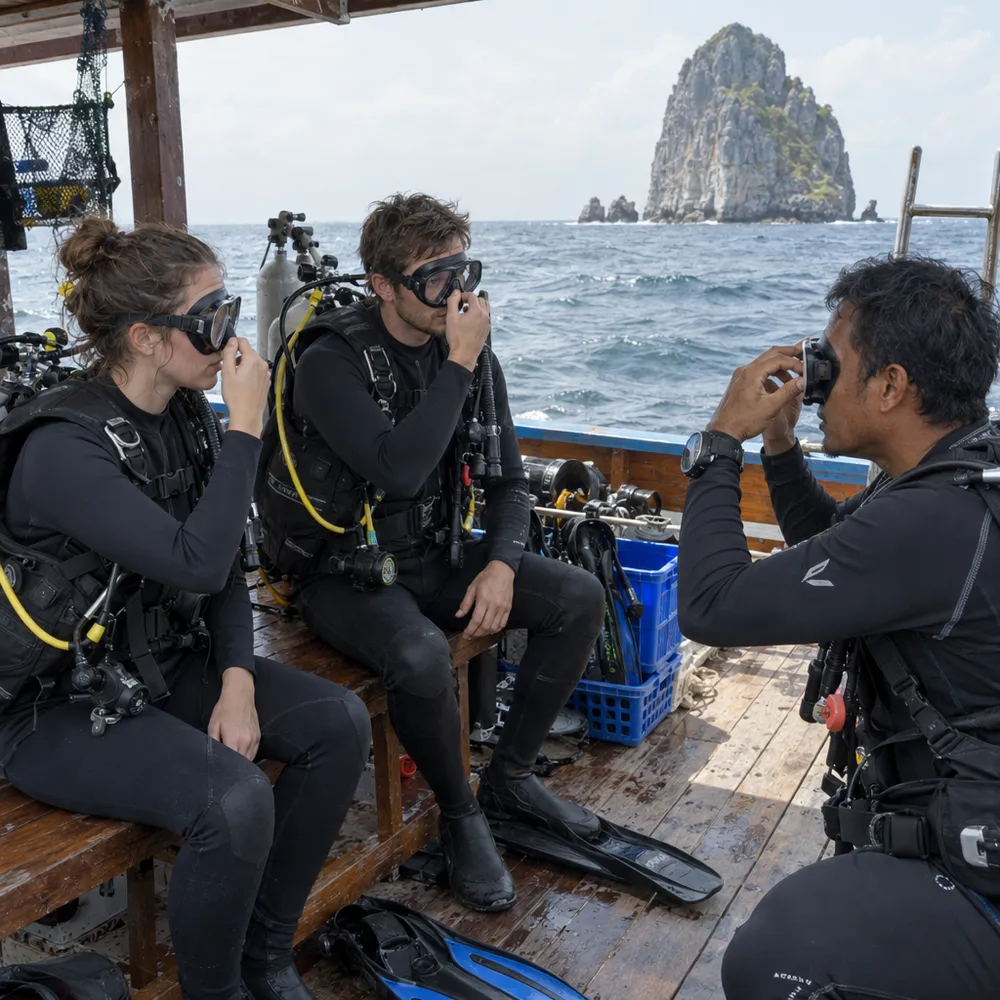
Introductory scuba programmes let you breathe underwater without prior certification, under the direct supervision of a professional. You receive a briefing, practise basic skills in shallow water and then explore at limited depths with an instructor beside you. It is the way to see more than a snorkeller can, but it comes with age limits, medical questionnaires and depth restrictions that your operator will explain.
Established dive centres operate along the north of the island, and traveller feedback is a sensible way to compare them. The Chaloklum Diving centre reviews are one place to start when weighing up a northern operator. Look for small groups, clear briefings and instructors who never rush a nervous student.
Best Places to Snorkel in Koh Phangan and Top Dive Sites
These are the best places to snorkel in Koh Phangan, plus one offshore dive site that justifies a separate trip. Conditions at every location change with wind, swell and tide, so treat the profiles below as typical rather than guaranteed.
Koh Ma and Mae Haad: The Island's Famous Sandbar Reef
Koh Ma snorkelling is the island's best-known beach experience. A sandbar links the small islet of Koh Ma to the Mae Haad shoreline, and the shallow entry makes it approachable for most abilities. Reef sections around the islet's edges hold anemone clusters, resident damselfish and a scattering of other small reef fish.
The best access is usually along the reef edge rather than the busiest strip of sand, where swimmers and boats can crowd the water. Keep clear of marked boat lanes, and avoid standing on the reef when the water is shallow. Gear can be hired nearby, and a guided trip is optional rather than essential.
Haad Salad: Calm Waters and Protected Lagoon Coral
Haad Salad on the northwest coast has a sheltered feel, with calmer water and coral in the protected lagoon-like sections near shore. It is a gentle choice for families and for beginners wanting to build confidence. Expect small reef fish, and take care over shallow patches at low tide, where coral can sit uncomfortably close to your body.
Haad Yao: Expansive Fringing Reef for Independent Swimmers
Haad Yao has a long beach and a wide fringing reef, which gives independent swimmers plenty of room to explore at their own pace. Typical sightings include schools of parrotfish and, with some luck, blue-spotted stingrays resting on sandy patches. Sheltered conditions can suit families, but the reef flat is where tide knowledge matters most (see the tides section below). Bring your own gear or hire it locally, and use a brightly coloured float in busier areas.
Haad Khom: Thriving Coral Gardens and Quiet Northern Waters
Haad Khom is quieter, with healthy hard corals, rocky headlands and easy off-beach access. The calm feel can be misleading near the headlands, where currents sometimes pick up around the rocks. Stay inside the bay unless you are an experienced swimmer, and never swim alone around the points. It is a good pick for couples who prefer space over facilities.
Sail Rock: The Gulf's Great Granite Pinnacle Dive
Sail Rock, known locally as Hin Bai, sits in open water between Koh Phangan and Koh Tao. This granite pinnacle rises from roughly 40 metres below the surface, and divers come for schools of chevron barracuda, batfish and the dramatic rock topography. Whale sharks are occasionally reported, but they are never a promise. You can read a Sail Rock diving overview for more detail on the pinnacle and what lives around it.
Sail Rock needs a boat, and conditions can be affected by current and swell. It is generally a certified-diver site, although some operators may allow confident snorkellers to join a trip. Check directly with the operator about what is possible on the day.
Koh Phangan Snorkelling and Diving Site Comparison
Use this table to compare the sites at a glance. It is qualitative on purpose, because reef conditions shift through the year.
Site | Experience level and access | Typical marine life | Depth and conditions | Guided tour advice |
|---|---|---|---|---|
Koh Ma and Mae Haad | Beginner friendly; walk in from the beach | Anemones, damselfish, small reef fish | Shallow; can be busy with boats and swimmers | Optional; useful for nervous first-timers |
Haad Salad | Beginner to intermediate; off-beach entry | Lagoon coral, small reef fish | Sheltered and calm; shallow at low tide | Optional; good for families going alone |
Haad Yao | Intermediate swimmers; off-beach entry | Parrotfish, blue-spotted stingrays | Wide reef flat; tide dependent | Optional; check tides before entering |
Haad Khom | Beginner to intermediate; easy off-beach access | Hard corals, reef fish | Quiet bay; currents near rocky headlands | Recommended near the headlands |
Sail Rock | Certified divers; boat only | Chevron barracuda, batfish, occasional whale shark | Open water; deep, with current and swell | Required; go with a licensed operator |
The logic is simple. Offshore pinnacles sit far from land, in deeper water with variable current, so a boat and a professional crew are necessary. Coastal bays are shallow and close to shore, so self-guided exploration works, provided you read the conditions first.
Best Time of Year, Tides, and Underwater Visibility
Gulf of Thailand Seasonal Windows and Visibility Trends
Clarity typically peaks in the drier months, roughly March to September. Monsoon swell in late autumn tends to stir up the coast and reduce visibility, particularly on exposed beaches. As we are in mid-November 2026, expect that conditions may be changeable right now. Marine conditions can shift from day to day with wind and current, so ask your accommodation host or a local dive shop before setting out.
Understanding Tides: Why Timing Your Snorkel Matters
This is the detail many guides skip. Along the west coast, shallow reef flats can become difficult to cross at extreme low tide. You may find yourself with too little water to swim over the coral and too much reef to walk across safely. Scrapes are common, and every careless step or fin kick damages living coral.
Aim for a higher tide, when there is enough water to float comfortably above the reef. Check a tide table in advance and plan to be in the water around the upper half of the tide. If you arrive and the reef looks exposed, walk away and try later. The reef will be there, and so will the fish.
Packing Checklist, Reef Etiquette, and Ocean Safety
What to Bring for a Full Day on the Water
Mineral-based reef-safe sunscreen: chemical formulas can harm coral, so choose a mineral option and apply it before you arrive.
Rash vest: it protects your back from sun during long floating sessions.
Properly fitted mask: press it to your face without the strap, inhale gently, and check that it holds.
Dry bag: keeps phones, cash and towels safe on boats and beaches.
Water and a hat: sun and salt dehydrate you faster than you notice.
Protecting Fragile Coral Reefs
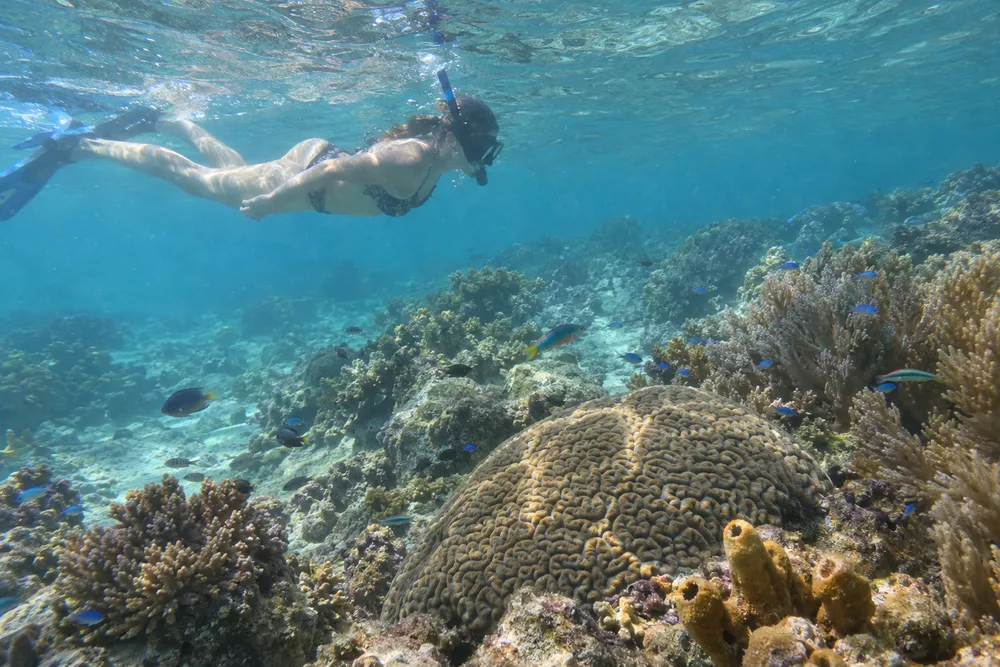
Never step on table corals, even if they look sturdy. Keep your fins high and avoid kicking up silt, which smothers delicate growth. Give turtles, rays and other animals plenty of space, and do not feed or chase them. Floating still is often how the best encounters happen.
Essential Swimmer and Diver Safety Protocols
Drink water before and after your session, and swim with a buddy rather than alone. Boat traffic channels are often marked by buoys, so stay out of those lanes and use a bright float so boats can see you. Currents around rocky headlands can be stronger than they look from the beach. Jellyfish can be present in some seasons, so ask locally and wear a rash vest or thin suit for cover. If you feel tired, cold or anxious, get out early.
Frequently Asked Questions About Koh Phangan Snorkelling and Diving
Is Koh Phangan suitable for complete non-swimmers to snorkel?
It can be, in calm, shallow bays with a flotation vest and close supervision. Choose sheltered spots such as Haad Salad on a quiet day, and stay where you can stand if needed.
Can beginners dive at Sail Rock without an Open Water certification?
Generally, no. Sail Rock is a deep offshore site that most operators reserve for certified divers, while introductory programmes usually take place at shallower sites. Confirm the policy with your dive centre.
Where can I hire quality snorkelling gear on the island?
Dive shops and beach vendors near popular spots such as Mae Haad rent gear. Check that the mask seals properly and the snorkel is clean, or bring your own if you prefer a guaranteed fit.
Are whale sharks guaranteed when diving or snorkelling around Koh Phangan?
No. Sightings around Sail Rock are occasional and unpredictable, so treat them as a bonus. The resident barracuda, batfish and reef fish are more reliable reasons to go.
What should I do if the sea is choppy on the west coast?
Postpone your swim or move to a more sheltered bay. Choppy water reduces visibility and makes entries and exits harder, so ask locally which side of the island is calmer that day.
Relax and Recharge at JOY Beach Villas
A day of floating over coral and climbing out of boats leaves you pleasantly tired, and a quiet base makes the next day easier. JOY Beach Villas offers a spacious beachfront setting where you can rest sore muscles, rinse your gear and watch the Gulf sunset without a crowd. It is also a convenient position for reaching the island's northern and western snorkelling bays, so you can pick the calmest water each morning.
Before you head out, check the tide, ask about the day's sea conditions and choose the experience that suits your group. With that done, the reef is yours to enjoy slowly.